Have you ever found yourself confused while choosing car insurance and wondered, “What’s the difference between comprehensive and collision coverage?” You’re not alone. Many car owners feel overwhelmed by the options and unsure about what each policy actually covers.
When it comes to auto insurance, understanding your coverage isn’t just important — it’s essential. The wrong policy could leave you vulnerable to major financial loss after an accident, theft, or natural disaster. In this detailed guide, we break down everything you need to know about comprehensive and collision insurance: what they cover, how they differ, when you need them, and which one might be right for you.
Understanding the Basics: What Are Comprehensive and Collision Coverages?
Before comparing them, let’s define both policies clearly.
Comprehensive Coverage – The “Everything Else” Policy
Comprehensive coverage helps protect your vehicle from damages that aren’t related to collisions with other vehicles. It’s often referred to as “other than collision” coverage.
It typically covers:
- Theft or attempted theft
- Vandalism and riots
- Fire or explosions
- Natural disasters (like floods, hurricanes, earthquakes)
- Falling objects (trees, branches, debris)
- Hitting an animal (like a deer or dog)
- Broken or shattered glass (like windshield damage)
Collision Coverage – The “Impact” Policy
Collision coverage, on the other hand, is designed to cover damage to your car resulting from a collision, regardless of who’s at fault.
It usually covers:
- Collisions with another vehicle
- Crashing into objects like trees, poles, or fences
- Damage from potholes
- Rollover accidents
Key Differences Between Comprehensive and Collision Coverage
To truly understand which policy you need, it’s vital to compare them side-by-side. Here’s a detailed table:
| Feature | Comprehensive Coverage | Collision Coverage |
|---|---|---|
| What it covers | Theft, natural disasters, fire, vandalism, hitting animals | Accidents involving other cars, objects, or rollovers |
| Accident required? | No | Yes |
| Who’s at fault? | Irrelevant | Irrelevant — covered regardless of fault |
| Mandatory? | Optional (unless required by lender/lease) | Optional (unless required by lender/lease) |
| Deductible applied? | Yes | Yes |
| Affects liability coverage? | No | No |
| Best for | Environmental damage and unexpected incidents | Direct crashes or impact damage |
When Do You Need Comprehensive Coverage?
Comprehensive coverage is best when:
- You live in an area prone to natural disasters (e.g., hurricanes, wildfires, or floods).
- Your car is parked outside regularly, making it vulnerable to vandalism or falling debris.
- You’re worried about theft, especially in urban areas.
- You want full protection for non-driving-related damage.
For example, if your car is stolen or a tree falls on it during a storm, comprehensive coverage can reimburse the repair or replacement costs after your deductible.
When Do You Need Collision Coverage?
Collision coverage becomes essential if:
- You’re driving in areas with high traffic, increasing the risk of accidents.
- You frequently commute long distances, increasing your exposure.
- You’re a new or young driver, statistically more likely to get into accidents.
- Your vehicle is financed or leased, making this coverage mandatory.
If you hit another car, slide into a guardrail, or flip your vehicle during icy conditions, collision coverage will help cover the damage repair costs — again, after the deductible.
Can You Carry One Without the Other?
Yes, you can purchase comprehensive and collision coverages separately, but many insurers offer them as part of a full coverage policy when bundled with liability insurance.
Examples:
- Only Comprehensive: Good for cars rarely driven or stored long-term.
- Only Collision: Rare but can be considered if you’re less concerned about theft or natural damage.
- Both: Best for most drivers who want full protection and peace of mind.
Cost Comparison: Which Is Cheaper?
Generally speaking, comprehensive insurance is more affordable than collision insurance because it covers less risky scenarios. Collision claims tend to be more frequent and costly.
| Coverage Type | Average Annual Premium |
|---|---|
| Comprehensive Only | $160 – $200 |
| Collision Only | $300 – $450 |
| Combined (Full) | $500 – $700 |
Note: Costs may vary based on your location, driving history, vehicle type, and deductible.
Do You Still Need These Coverages for Older Cars?
This is a common question. The answer depends on the actual cash value (ACV) of your vehicle.
Consider Dropping Comprehensive and Collision If:
- Your car is worth less than $3,000.
- Your annual premium exceeds 10% of your car’s current value.
- You have a financial cushion to replace the car out-of-pocket if needed.
However, even for older vehicles, comprehensive coverage alone may still be worth it, especially if theft or environmental risks are high.
Comprehensive and Collision Coverage: Real-Life Scenarios
Scenario 1: Deer on the Road
You’re driving at night and suddenly a deer jumps in front of your car. You hit the animal and your car’s front is smashed.
Covered by: Comprehensive Coverage
Scenario 2: Fender Bender
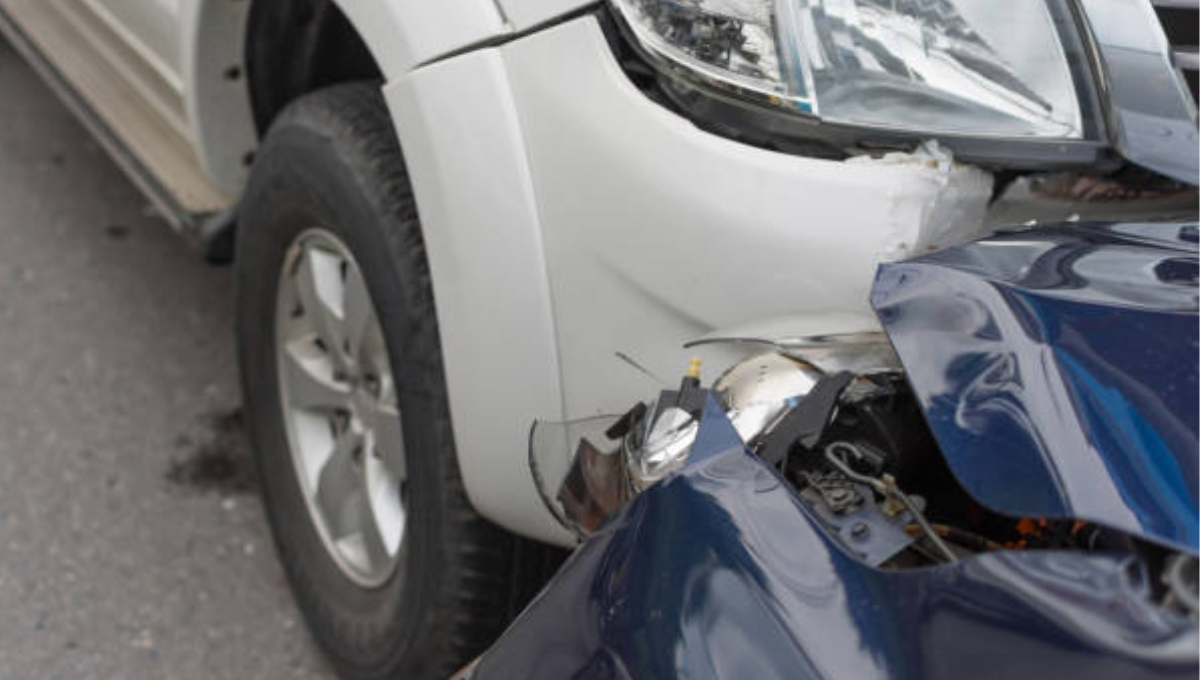
You rear-end another car at a stop sign. The front of your car is badly damaged.
Covered by: Collision Coverage
Scenario 3: Vandalism in Parking Lot
You return to find your car scratched and the side mirrors broken.
Covered by: Comprehensive Coverage
Scenario 4: Icy Road Wreck
You lose control on an icy road and crash into a tree.
Covered by: Collision Coverage
Should You Raise or Lower Your Deductible?
Both comprehensive and collision coverages include deductibles — the amount you pay before your insurer covers the rest.
Lower Deductible = Higher Premium
- More financial protection
- Less out-of-pocket cost during a claim
Higher Deductible = Lower Premium
- Less monthly cost
- More risk during accidents
Choose a deductible that balances affordability and protection based on your savings and risk tolerance.
Final Thoughts: Do You Need Comprehensive or Collision — Or Both?
Choosing between comprehensive and collision coverage isn’t about picking one over the other — it’s about understanding what risks you face and how much protection you want.
If you drive often, commute daily, or live in a risk-prone area, having both coverages offers the most robust protection. On the other hand, if you drive an older car or want to cut costs, you might consider dropping one (or both), depending on your comfort level with risk.
The bottom line? Don’t blindly choose a plan. Evaluate your driving habits, financial situation, car value, and environment. Smart insurance choices start with understanding — and now you’ve got the clarity you need.